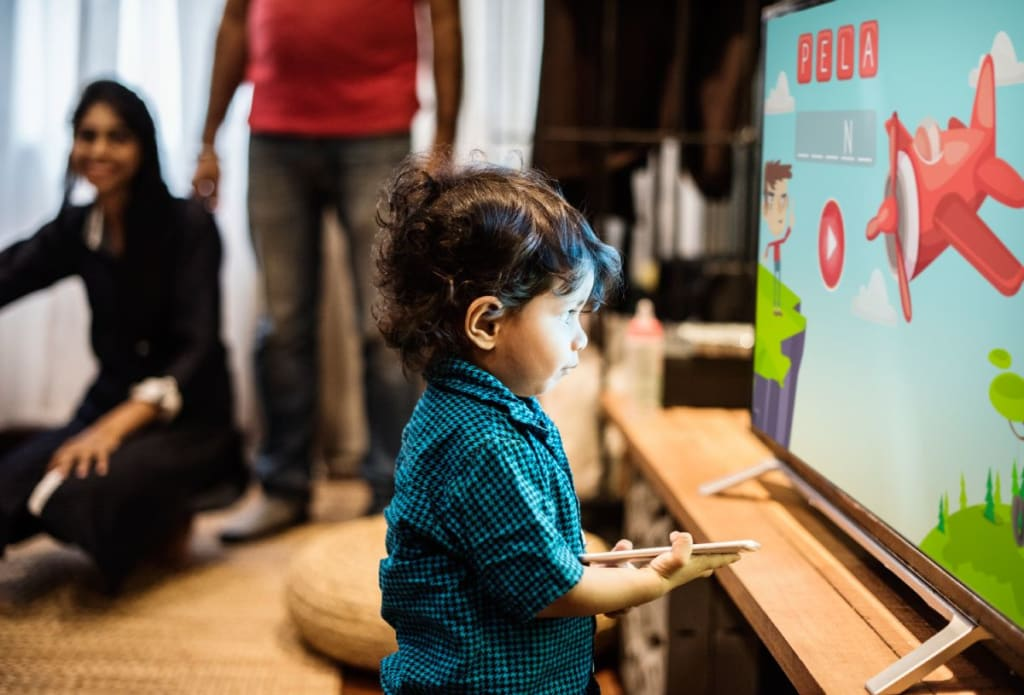

Education is evolving faster than ever, and parents play a vital role in preparing their children for the future. In 2025, technology, global challenges, and new teaching methods are reshaping how students learn. Understanding these trends can help parents support their children’s growth effectively.
1. Blended and Hybrid Learning
The mix of in-person and online education is here to stay. Many schools are adopting flexible schedules where students can learn partly at home and partly in the classroom. This model gives families more choice while encouraging independent learning.
2. Personalized Learning Paths
Thanks to AI and data-driven tools, education is becoming more customized. Students can progress at their own pace, focusing on strengths and getting extra support in areas where they struggle.
3. Growth of EdTech Tools
Interactive apps, virtual reality classrooms, and AI tutors are changing how children absorb information. Parents should stay informed about the tools schools use so they can guide their children in using them responsibly.
4. Focus on Life Skills
Schools are placing more emphasis on critical thinking, problem-solving, emotional intelligence, and collaboration. These skills prepare children for real-world challenges beyond academics.
5. Mental Health Support
With rising awareness of student well-being, schools are integrating mindfulness, counseling, and stress management programs. Parents can reinforce these practices at home to help children cope with pressure.
6. Global and Cultural Learning
More schools are incorporating global perspectives, encouraging language learning, cross-cultural projects, and awareness of international issues. This helps students become more adaptable and empathetic.
7. Sustainability in Education
Eco-conscious learning is becoming central, with projects on recycling, climate awareness, and sustainable living. Parents can support by encouraging green habits at home.
8. Micro-Credentials and Skills-Based Learning
Instead of relying only on traditional diplomas, students are earning digital badges and micro-certifications in specific skills, such as coding, design, or entrepreneurship. These smaller achievements can build strong resumes early on.
9. Collaborative Learning Communities
Education is becoming more community-driven, with parents, teachers, and students working together through online platforms and local initiatives. Active parental involvement is more valuable than ever.
10. Career Exploration from an Early Age
Schools are introducing career-focused programs earlier, giving children exposure to fields like technology, healthcare, and sustainability. Parents can encourage curiosity by connecting learning with real-world opportunities.